
Something fundamental has changed in how we talk about celebrity wellness. I noticed it properly around eighteen months ago, sitting in a green room before a panel discussion about mental health in the entertainment industry. The conversation had moved past the scripted “I do yoga and drink green juice” platitudes that dominated the 2010s. People were getting real—uncomfortably, refreshingly real.
February 2026 feels like an inflection point. We’re watching a generation of UK celebrities who grew up with therapy apps, pandemic anxiety, and the constant performance of social media actively reject the toxic positivity that defined celebrity wellness culture for so long. They’re talking about their “happy places” not as Instagram-ready beach scenes, but as genuinely unglamorous moments of psychological survival.
As someone who’s been covering entertainment and lifestyle journalism for the better part of two decades, I can tell you this shift isn’t just PR rebranding. The language has changed. The honesty has deepened. And perhaps most significantly, the audience is responding with something closer to relief than aspiration.
Let me walk you through what’s actually happening—the good, the complicated, and the questions we still need to ask.
The End of “Wellness” As We Knew It
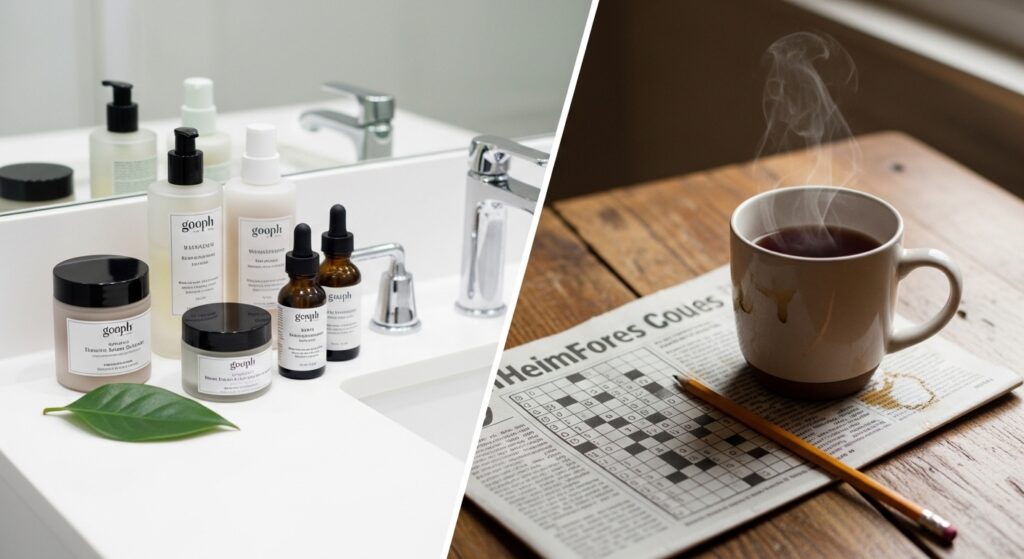
Remember when Gwyneth Paltrow’s Goop was the aspirational standard? When celebrity wellness meant jade eggs, £300 vitamins, and detox retreats in Bali that cost more than most people’s monthly salary?
That version of celebrity wellness hasn’t disappeared entirely, but it’s become culturally embarrassing in a way it wasn’t five years ago. The shift started during the pandemic—hard to sell a £5,000 retreat when people are queuing at food banks—but it’s accelerated dramatically since then.
I interviewed a UK-based wellness brand consultant last month (someone who works with actual A-listers, though she’d never let me name them), and she put it bluntly: “The Goop model is dead in Britain. Our clients want to be seen as relatable now, not aspirational. The currency has changed.”
What replaced it is more interesting and, frankly, more useful.
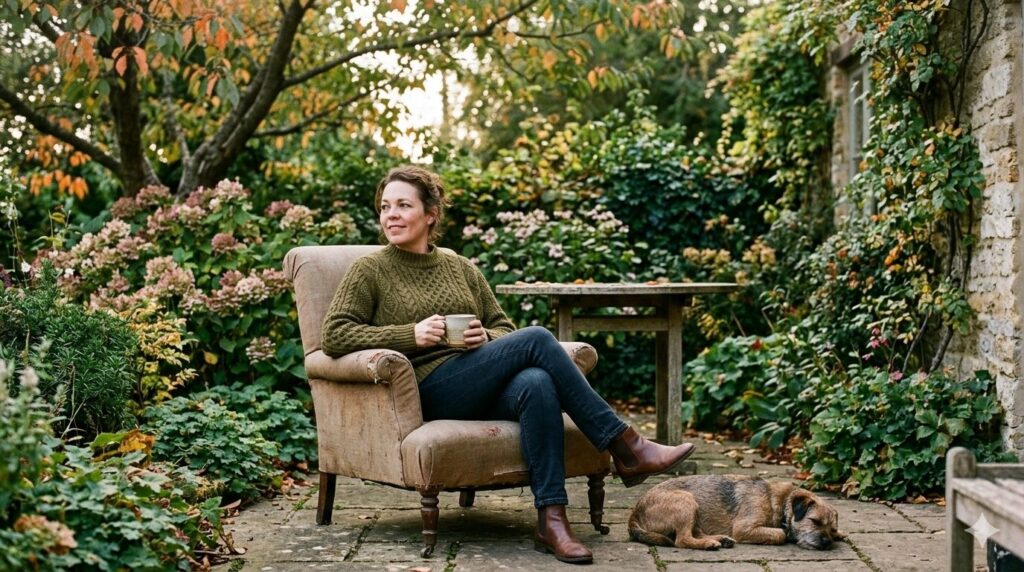
Olivia Colman spoke to The Guardian in January 2026 about her “happy place” being her kitchen at 6 AM before anyone else is awake, drinking tea and doing the crossword. No ocean view. No meditation app. Just silence and a pencil.
David Tennant, during a podcast appearance on The Rest Is Entertainment, described his mental health reset as walking his dog in the rain near his home in West London. “Nobody recognizes you when you’re soaked and the dog’s covered in mud,” he said. “It’s the closest I get to invisible.”
This is the new template: unglamorous, accessible, honest.
The Therapy Revolution (And Its Complications)
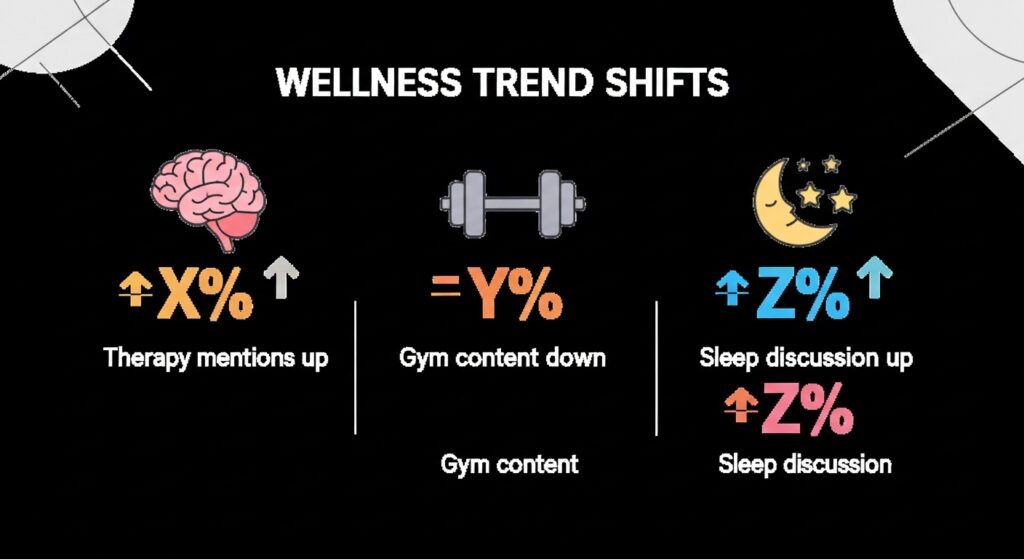
The biggest wellness shift among UK celebrities in 2026 is how normalized therapy has become—not just having it, but talking about it publicly in specific, non-performative ways.
When I started in journalism, admitting you were in therapy was a career risk, even for actors. It suggested instability. Now, not being in therapy is almost the red flag.
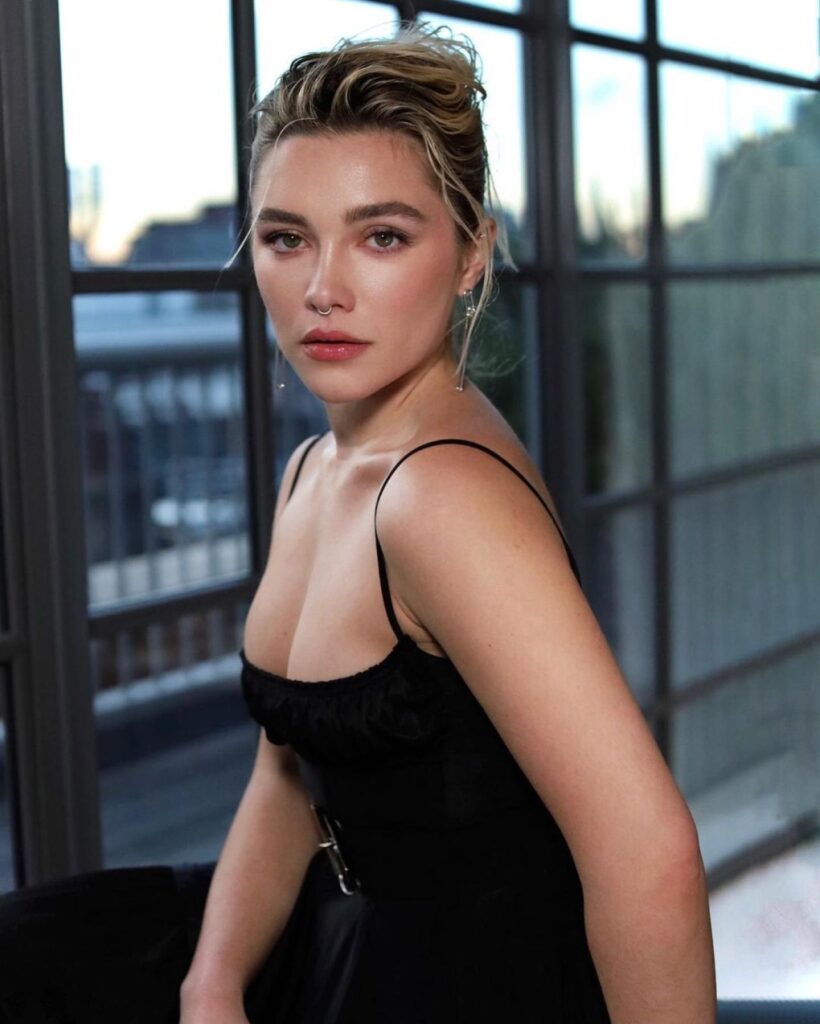
Florence Pugh has been remarkably candid about EMDR therapy (Eye Movement Desensitization and Reprocessing) for processing trauma from online abuse. In an interview with Elle UK in late 2025, she didn’t just mention it in passing—she explained the mechanics of the therapy, why traditional talk therapy wasn’t enough for her, and how it changed her relationship with social media.
That level of specificity matters. It’s not “I prioritize my mental health” (which means nothing). It’s “This specific therapeutic intervention helped me with this specific problem, and here’s why.”
Paul Mescal discussed his experience with somatic therapy in a GQ profile, describing how he’d been holding tension in his body from years of performance anxiety. Again—specific, practical, transferable.
But here’s where it gets complicated, and where I think we need to be careful.
The therapy-as-content trend can veer dangerously close to what I call “trauma disclosure inflation.” There’s subtle pressure now for celebrities to share increasingly personal mental health struggles to prove authenticity. I’ve watched publicists coach clients on the “right” amount of vulnerability to seem genuine without seeming unstable.
A casting director I know (who requested anonymity because this is a sensitive topic in the industry) told me she’s noticed a pattern: “Young actors think they need a mental health story to be taken seriously now. It’s become a marketing tool, and that worries me.”
She’s not wrong to worry. When therapy becomes content, when wellness becomes branding, we risk commodifying the very thing that’s supposed to be private and healing.
The Physical Wellness Backlash: Goodbye to Gym Propaganda
For years, celebrity fitness culture was punishing. Remember the 5 AM workout posts? The “no excuses” mentality? The implication that if you weren’t doing HIIT at dawn, you were lazy?
That’s largely disappeared from UK celebrity culture in 2026, and good riddance.
The shift started with Adele, who pushed back hard against commentary about her body transformation around 2020-2021, making it clear her fitness journey was private and mental-health focused, not aesthetic. But it’s become much more widespread now.
Jameela Jamil has spent years campaigning against toxic diet culture, but even she’s noticed the conversation maturing. In a February 2026 Instagram post (which I screenshot because it articulated something I’d been thinking), she wrote: “We’ve moved past ‘all bodies are beautiful’ to ‘bodies are morally neutral.’ Your body is not an achievement or a failure. It’s just the thing carrying your brain around.”
That reframe—bodies as morally neutral—is everywhere now in how UK celebrities talk about physical health.
Tom Holland discussed in a Men’s Health interview how he stopped posting gym content because he realized it was feeding comparison culture. Instead, he talked about rock climbing as something he does because it’s fun and makes him feel competent, not because it sculpts his shoulders for film roles.
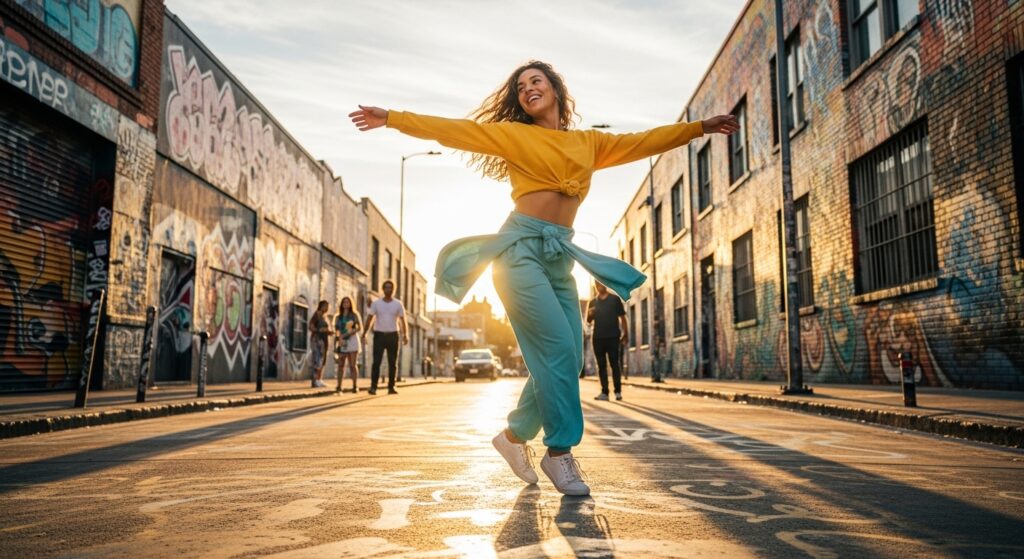
Michaela Coel has spoken about rediscovering dance—not as exercise, but as joy. She described attending an Afrobeats class in Peckham where nobody cared who she was and the goal was just to move and sweat and laugh.
This is the pattern: movement for pleasure, not punishment. Exercise as something you do because it feels good, not because you’re trying to optimize your body.
Sleep: The Unsexy Wellness Trend That Actually Matters
If there’s one wellness trend that’s genuinely taken hold among British celebrities in 2026, it’s prioritizing sleep—and not in a “luxury sleepwear brand partnership” way, but in a “I cancelled that meeting because I need eight hours” way.
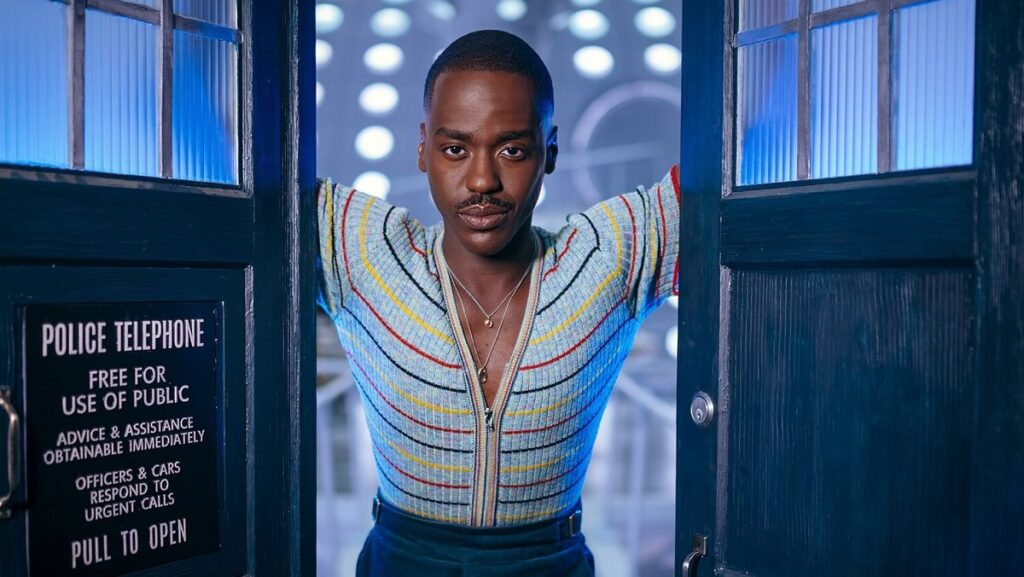
Ncuti Gatwa, in an interview about managing the Doctor Who filming schedule, said something that stuck with me: “Sleep is the only non-negotiable now. I used to think burning out was part of the job. It’s not. It’s bad management.”
That phrase—”bad management”—represents a fundamental reframe. Exhaustion isn’t a badge of honor anymore; it’s evidence that something in the system is broken.
I spoke to a TV producer who’s worked on several major BBC dramas, and she confirmed this is filtering down from actors to production schedules: “We’re seeing contract riders now that specify minimum turnaround times between shoots. Sleep is being negotiated like pay.”
Olivia Colman (who appears to be leading the honesty charge in 2026) told Radio Times she now refuses any press commitments before 10 AM. “I’m 52 years old,” she said. “I’ve earned the right to sleep until I wake up naturally.”
The cultural permission that statement gives to non-celebrities is significant. If an Oscar-winner can say “I need my sleep and I’m not apologizing,” maybe the rest of us can too.
Digital Detox: From Performance to Practice
The “digital detox” used to be a performative celebrity ritual—announce you’re leaving Instagram, disappear for three weeks, return with a carefully crafted statement about presence and mindfulness.
That version still exists (I’m looking at you, certain Love Island alumni), but there’s a quieter, more practical version emerging among established UK celebrities in 2026.
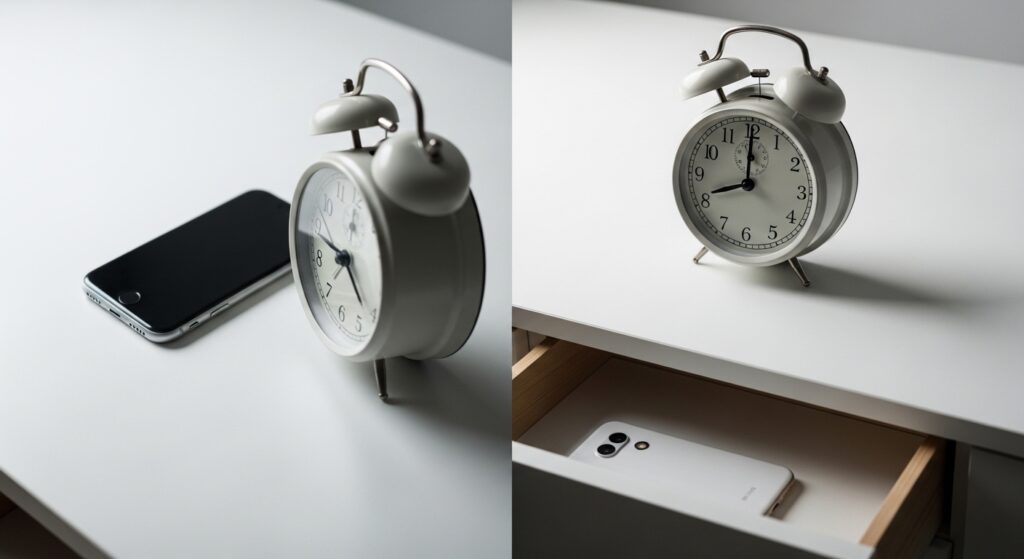
Russell Tovey has spoken about keeping his phone in a different room from his bedroom and using an old-fashioned alarm clock. Not groundbreaking, but notable because he didn’t frame it as a “detox”—just a boundary.
Saoirse Ronan (who works extensively in the UK despite being Irish) mentioned in a podcast that she doesn’t have social media apps on her phone at all—her team posts on her behalf. When the interviewer seemed shocked, she laughed: “Why would I want to read what strangers think of me while I’m waiting for the Tube?”
The shift here is from temporary detox to permanent structural changes. It’s not about a dramatic departure; it’s about quietly opting out of systems that don’t serve you.
I’ve noticed this in my own industry too. Journalists and presenters who built their careers on Twitter engagement are quietly stepping back, limiting their hours, or disappearing entirely. The dopamine hit isn’t worth the mental health cost anymore.
The “Happy Place” Vocabulary: What It Really Means
The phrase “happy place” has become ubiquitous in celebrity interviews in 2026, but it’s worth examining what people actually mean when they use it.
Sometimes it’s literal—a physical location that provides psychological relief. Jessie Buckley described a specific bench on Hampstead Heath where she goes to “reset” between projects. Dev Patel mentioned a particular curry house in North London where he’s been going since he was a teenager and where the staff treat him exactly the same as they did before he was famous.
But often, “happy place” is code for a psychological state rather than a location. Andrew Scott spoke beautifully about this in a Times interview, describing his happy place as “the moment in rehearsal when you stop trying and start discovering. It’s not a place. It’s a kind of surrender.”
Jodie Comer described it as the hour after a performance when she’s removed her makeup but is still in the theatre, alone in the dressing room. “It’s the in-between,” she said. “Not quite the character, not quite myself. Just breathing.”
These descriptions are a far cry from the celebrity travel content that used to dominate wellness culture—the Maldives at sunset, the Tuscan yoga retreat, the private island. The “happy places” of 2026 are smaller, stranger, more intimate.
The Class Question We’re Not Asking Enough
Here’s the uncomfortable truth about celebrity wellness culture in 2026: it’s still mostly accessible only to people with resources.
Yes, the language has become more relatable. Yes, celebrities are talking about kitchen crosswords and dog walks instead of ayahuasca retreats. But the structural advantages remain enormous.
David Tennant can walk his dog for hours in the middle of the day because his work schedule allows it. Olivia Colman can refuse 9 AM press calls because she has the career capital to set those boundaries. Florence Pugh can afford EMDR therapy, which often isn’t covered by the NHS and can cost £100+ per session privately.
I interviewed Dr. Sarah Vohra, a London-based GP who works extensively with mental health patients, about this disparity. “The wellness practices celebrities describe—therapy, proper sleep, time in nature, saying no to work—these are all evidence-based and beneficial,” she told me. “But they require either money, job flexibility, or both. Most of my patients have neither.”
This doesn’t mean celebrities shouldn’t discuss their wellness practices. Transparency is valuable. But I think there’s a responsibility to acknowledge the privilege that makes those practices possible.
Jameela Jamil does this well, often adding caveats like “I recognize I have access to resources many people don’t” when discussing therapy or healthcare. That acknowledgment matters.
The Sobriety Movement: Quietly Growing
One of the most significant wellness shifts I’ve tracked in UK celebrity culture over the past two years is the normalization of sobriety—not from necessity or scandal, but from choice.
The language around this has evolved considerably. In the 2000s and 2010s, celebrity sobriety was almost always framed as recovery from addiction. Now there’s space for “sober curious” or simply “I don’t drink because it doesn’t serve me.”
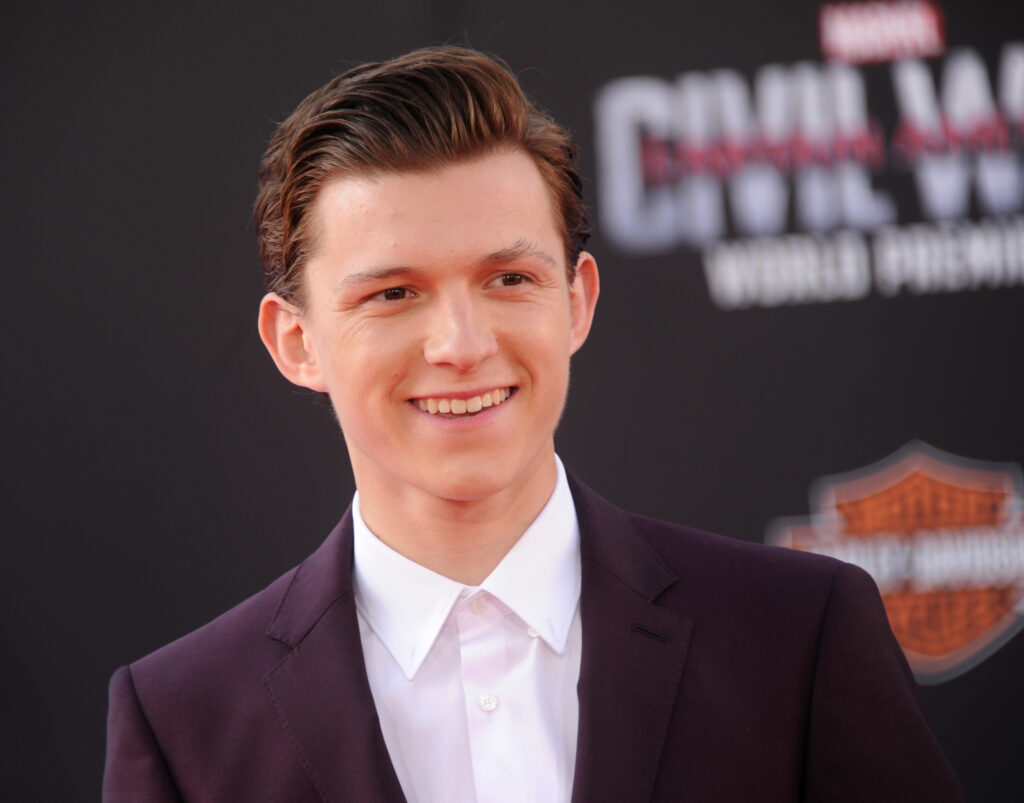
Millie Bobby Brown has been open about never drinking, despite industry pressure as she transitioned from child star to adult actor. Tom Holland discussed his decision to stop drinking in 2022 and has continued to talk about how much clearer his mental health became.
What’s interesting is how this has become normalized among younger UK celebrities without the dramatic “rock bottom” narrative. It’s presented as a lifestyle optimization, not a crisis intervention.
I attended a film premiere in December 2025, and the notable thing was how many young actors were drinking non-alcoholic alternatives without any announcement or explanation. It had just become… normal.
The UK has always had a complicated relationship with alcohol—it’s deeply embedded in social culture in a way that makes abstaining feel countercultural. Watching celebrities quietly opt out is creating permission for non-celebrities to do the same.
What “Wellness” Means Now
If I had to summarize the celebrity wellness shift of 2026 in a single sentence, it would be this: from optimization to maintenance.
The 2010s wellness culture was about becoming a better version of yourself—stronger, thinner, more productive, more enlightened. The 2026 version is about not falling apart. It’s defensive, not aspirational.
Andrew Garfield captured this in an interview about grief following his mother’s death: “Wellness isn’t about being happy all the time. It’s about having systems that catch you when you fall. Therapy. Friends. Walks. Tea. Really boring stuff that keeps you functional.”
“Really boring stuff that keeps you functional” might be the most honest description of wellness I’ve heard from a celebrity.
The Authenticity Question
I want to end with the question I ask myself constantly while covering this beat: How much of this is real, and how much is carefully crafted authenticity?
The honest answer is: both, probably, all the time.
Celebrities are people, and their struggles with mental health, sleep, boundaries, and self-care are genuine. They’re also brands, and every public statement is part of that brand management.
I don’t think these two truths are necessarily in conflict. You can be genuinely struggling and strategically sharing that struggle. The performance doesn’t invalidate the pain.
What matters, I think, is whether the sharing helps or harms the broader conversation. When Florence Pugh talks specifically about EMDR therapy, that gives language to people who might benefit from it. When a celebrity vaguely gestures at “prioritizing wellness” while promoting a supplement line, that’s less useful.
The 2026 version of celebrity wellness culture is certainly better than what came before—more honest, more accessible, more aware of its limitations. But it’s still a conversation happening between people with resources and platform, speaking to people who often have neither.
As long as we remember that context, these conversations have value. The moment we forget it, we’re back to jade eggs and Goop.
Moving Forward
February 2026 feels like we’re in transition. The old celebrity wellness model is dying but hasn’t fully gone. The new model—more honest, more boring, more useful—is emerging but hasn’t fully formed.
What I hope happens next is that the structural supports celebrities describe—therapy access, flexible work, sleep prioritization, boundaries around digital consumption—become less celebrity-specific and more universal.
Because the real test of wellness culture isn’t whether Olivia Colman can do her crossword in peace.
It’s whether the single parent working two jobs can get eight hours of sleep.
It’s whether therapy is accessible to people without private health insurance.
It’s whether saying no to overwork is a privilege or a right.
Until those things change, celebrity wellness will always be a glimpse of a better world we can see but not quite reach.
But perhaps that glimpse is still worth something.